

Who We Are
Einstein is a nonprofit healthcare organization committed to the delivery of clinical services to public and private patients and to teaching, research and innovation in Brazil. We are recognized as the leading cancer center in Latin America, making continuous advances in precision medicine, big data, cell therapy and minimally invasive procedures
Oncology:
• 17th best specialized hospital in the world
• Best specialized hospital in Latin America
International Recognition
Einstein holds significant certifications, having been the first to achieve them in Brazil

Joint Commission International (JCI)
First hospital outside the US to receive Joint Commission accreditation
IASOIS
First hospital accredited in Latin America

FACT
First organization accredited in Latin America
ASCO QOPI Certification Program
Einstein Oncology
Einstein offer comprehensive and humanized care, providing a welcoming care journey and full support for cancer patients and their families
With its commitment to cutting-edge technology and precision medicine, Einstein continues to set standards in effective and innovative cancer treatment solutions. Einstein’s quality, safety and excellence ensure the very best treatment for patients in Brazil’s public and private healthcare where more than 4,605 patients are undergoing chemotherapy —, with over 102,100 consultations and 7,906 oncological surgeries in 2025. Around 1,700 professionals work at the Dayan-Daycoval Family Oncology and Hematology Center, Hospital Municipal Gilson de Cassia Marques de Carvalho, and specialized units
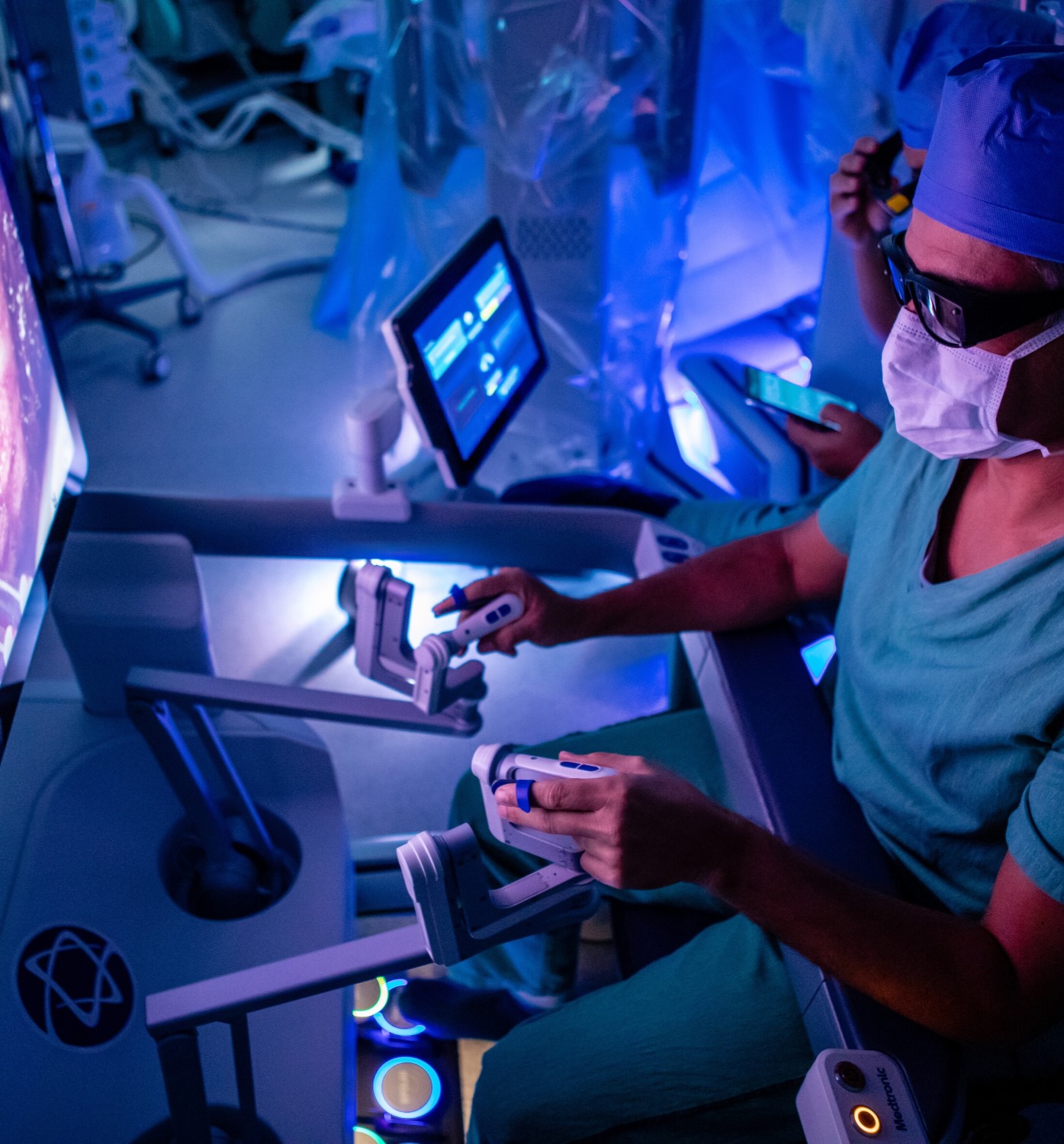
Hospital Municipal Gilson de Cassia Marques de Carvalho in Sao Paulo, managed by Einstein, has set the gold standard in oncology within Brazilian public healthcare system. It was the first county hospital in the country to perform robotic surgery and the fi rst public hospital to be accredited by ASCO’s Quality Oncology Practice Initiative. The Einstein Network of Oncology and Hematology is an alliance comprising hospitals and clinics from 7 states across the country that encourages technical and scientific cooperation through the discussion of cases and dissemination of practices and knowledge
Einstein Oncology and Hematology in numbers*
*2025 data
Prediction and prevention
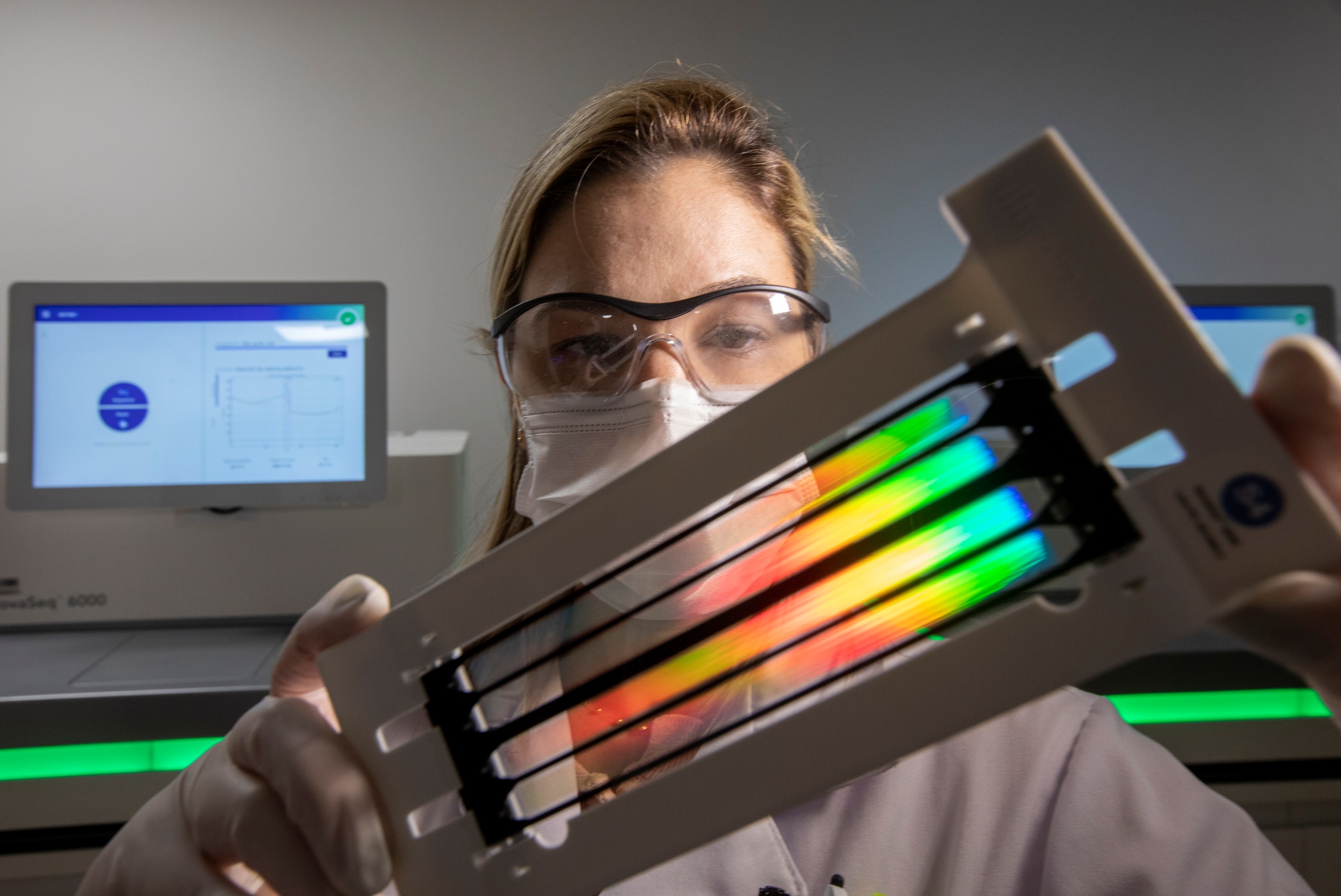
Einstein’s Precision Medicine Program uses big data, analytics and multiomics to develop and improve predictive, preventive and personalized medicine. The program offers genetic sequencing tests that can be used to identify predisposition to certain diseases. Einstein also offers germiline and somatic genetic testing, aiding in ascertaining the most effective treatments for patients, and all applications of liquid biopsies — including minimal residual disease (MRD) detection and genotyping. Einstein Diagnostic Medicine offers imaging exams such as SPECT/CT, PET/CT and PET/MR, some of which have never before been available in Brazil or Latin America, as well as other top-of-the-line exams, such as radioguided biopsies
Robotic surgery
Einstein’s pioneering Robotic Surgery program, started in 2008, has supported strategic surgical specialties, especially in Oncology. Einstein has also become an important center for robotic surgery training in Latin America, receiving students from all over the world in a wide range of specialties
Treatment
All of Einstein’s expertise in diagnostic medicine, interventional medicine, precision medicine and clinical and surgical oncology come together to provide the most advanced multidisciplinary cancer treatment in Brazil. Efforts are especially focused on advanced theranostic treatment, such as Lu177-PSMA and Lu177-DOTATATE. Einstein is recognized for its leadership in image-guided ablative therapies, including microwave ablation, cryoablation, high-intensity focused ultrasound (HIFU), and irreversible electroporation (IRE). These advanced therapies are used for precise and minimally invasive treatment of solid tumors, employing cutting-edge imaging for accuracy. Einstein is also a leader in the use of transarterial radioembolization (TARE) to treat liver malignancies, including at its exclusive Center of Excellence, which focuses on training healthcare professionals in TARE techniques
Education & Research
At Einstein, cancer research is carried out alongside care, led by a renowned clinical team. Einstein’s healthcare system brings together education and innovation, with continuous training for multidisciplinary teams. Researchers at Einstein study advanced medical therapies, such as the development of CAR-T cells and their use in treatment. Einstein was the first health organization in Brazil authorized by the Brazilian Health Regulatory Agency (Anvisa) to use CAR-T cells produced in its own laboratory to treat people with lymphoma and leukemia. In 2025, 12 patients have received CAR-T cell treatment. The technology was offered to more than 30 patients in Brazil’s public system as part of the initiative. Einstein is also studying the use of natural killer (NK) cells to treat acute myeloid leukemia (AML)
Articles published on oncology and hematology*:
233 articles published in journals with an impact factor > 1
75 articles published in journals with an impact factor > 20
Einstein Education offers seven undergraduate courses, including medicine and nursing, as well as postgraduate and specialization courses, more than 20 of which are related to oncology.
330 medical residents across all specialties in 2024
*2025 data

Einstein Teaching and Research Center
New Oncology and Hematology Center
In 2027, Einstein Hospital Israelita will open the Daycoval Center for Advanced Oncology and Hematology Therapies and Care in São Paulo — a 65,000-square-meter complex designed to transform cancer care, research, education and innovation in Latin America.
The center will integrate clinical excellence, scientific advancement and patient-centered care in a single environment, combining a specialized care complex with an academic cancer research hub focused on genetics, genomics, big data, translational research, technology and innovation.
At the heart of the new model are the Centers of Excellence, organized by cancer type, bringing together multidisciplinary teams across treatment, research, education and innovation. This integrated “One Stop Shop” approach centralizes the patient journey, enabling faster decisions, coordinated care and a more human-centered experience for patients and families.
The center also aims to become a global hub for knowledge exchange and professional training.

Daycoval Center for Advanced Oncology and Hematology Therapies and Care
To be inaugurated in 2027, in Sao Paulo, Brazil
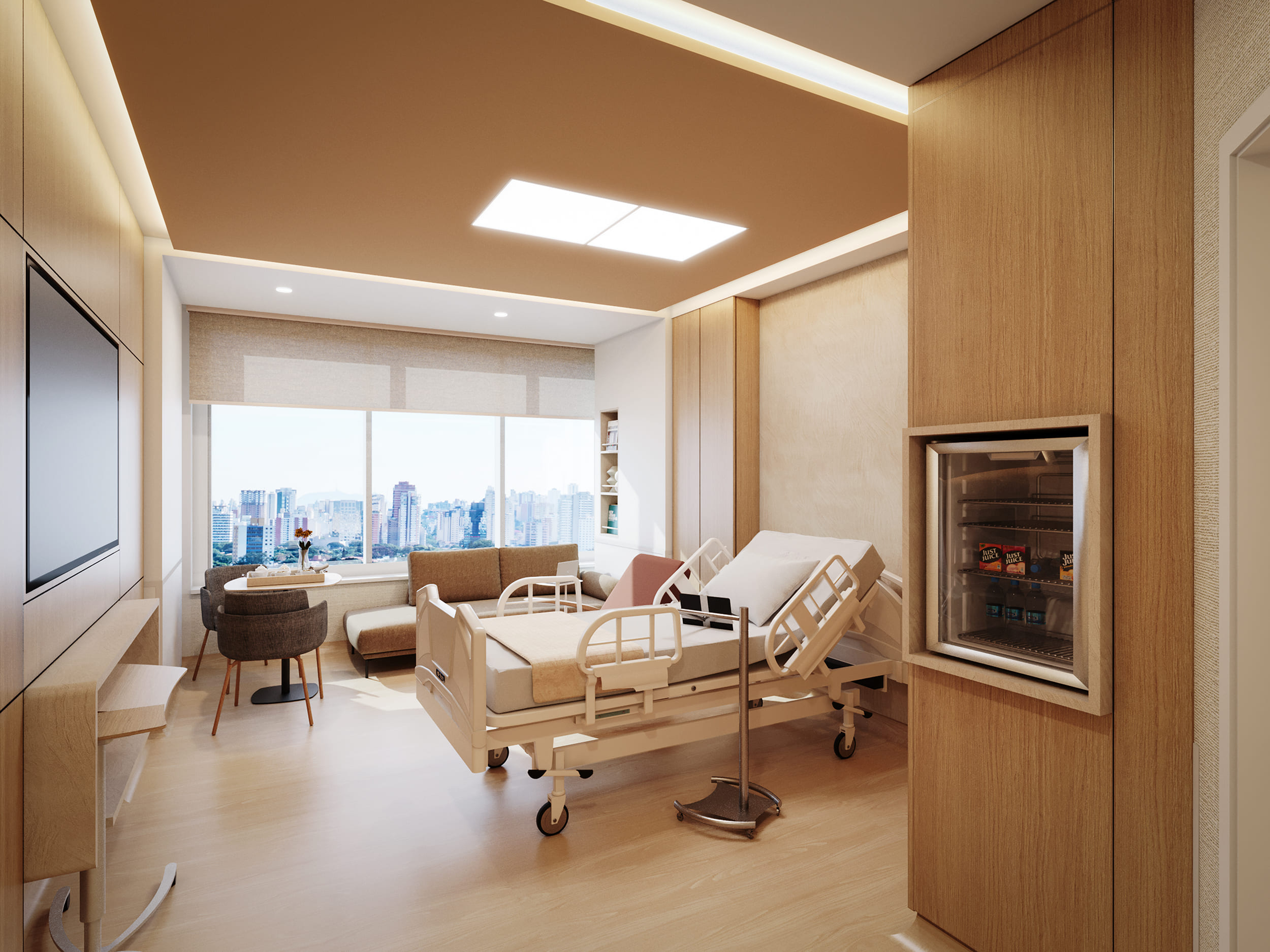
Daycoval Center for Advanced Oncology and Hematology Therapies and Care
To be inaugurated in 2027, in Sao Paulo, Brazil

Daycoval Center for Advanced Oncology and Hematology Therapies and Care
To be inaugurated in 2027, in Sao Paulo, Brazil

Daycoval Center for Advanced Oncology and Hematology Therapies and Care
To be inaugurated in 2027, in Sao Paulo, Brazil
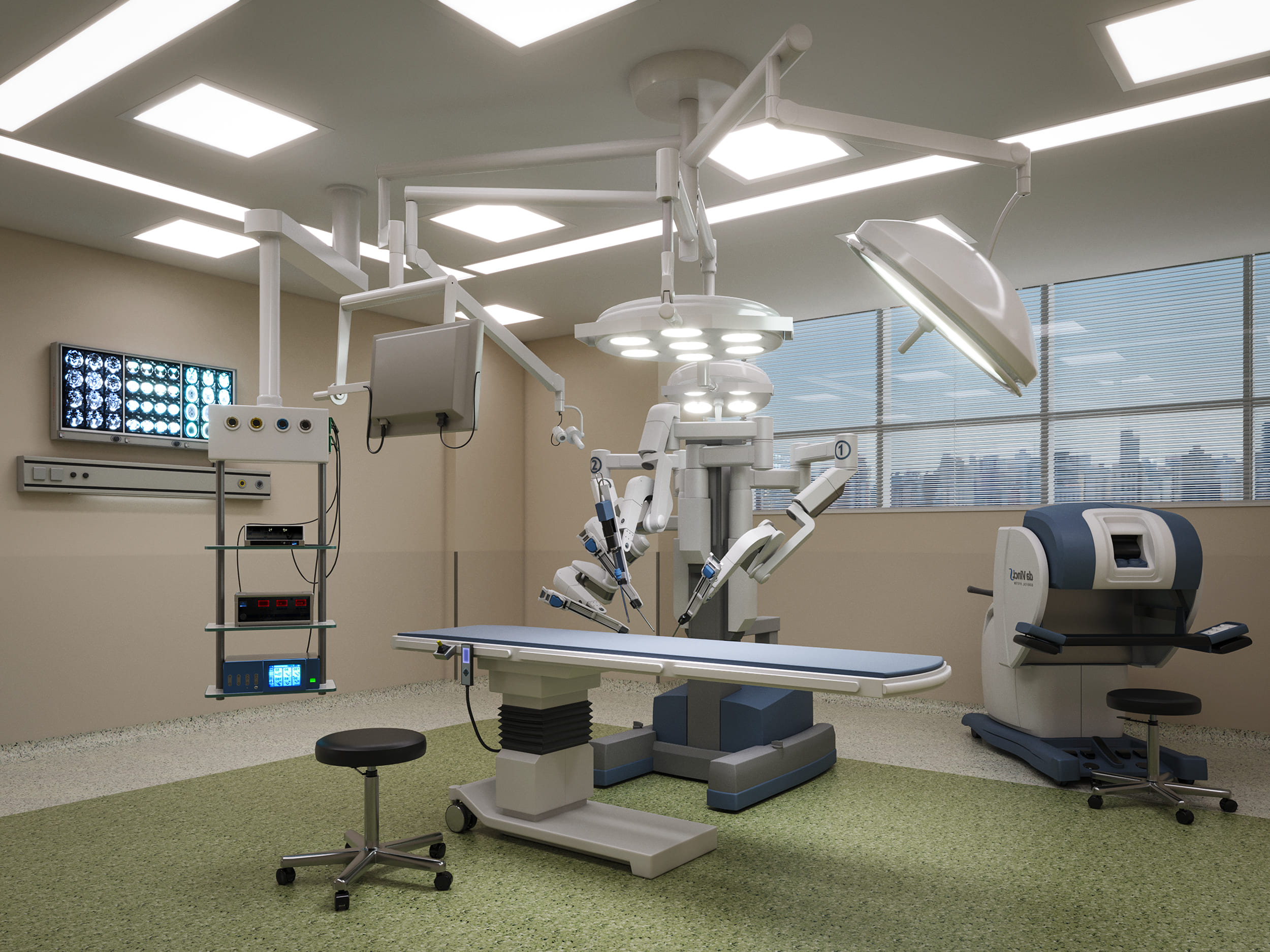
Daycoval Center for Advanced Oncology and Hematology Therapies and Care
To be inaugurated in 2027, in Sao Paulo, Brazil
Einstein in ASCO Annual Meetings
Einstein has promoted discussions with other hospitals at the ASCO annual meeting


