
Traumatic Spinal Cord Injury
Einstein Health Glossary
ICD 10 - S14
- Condição

ICD 10 - S14
A spinal cord injury is damage that can be either temporary or permanent to the spinal cord, a vital part of the nervous system. This injury can cause various symptoms and problems, depending on its extent and location
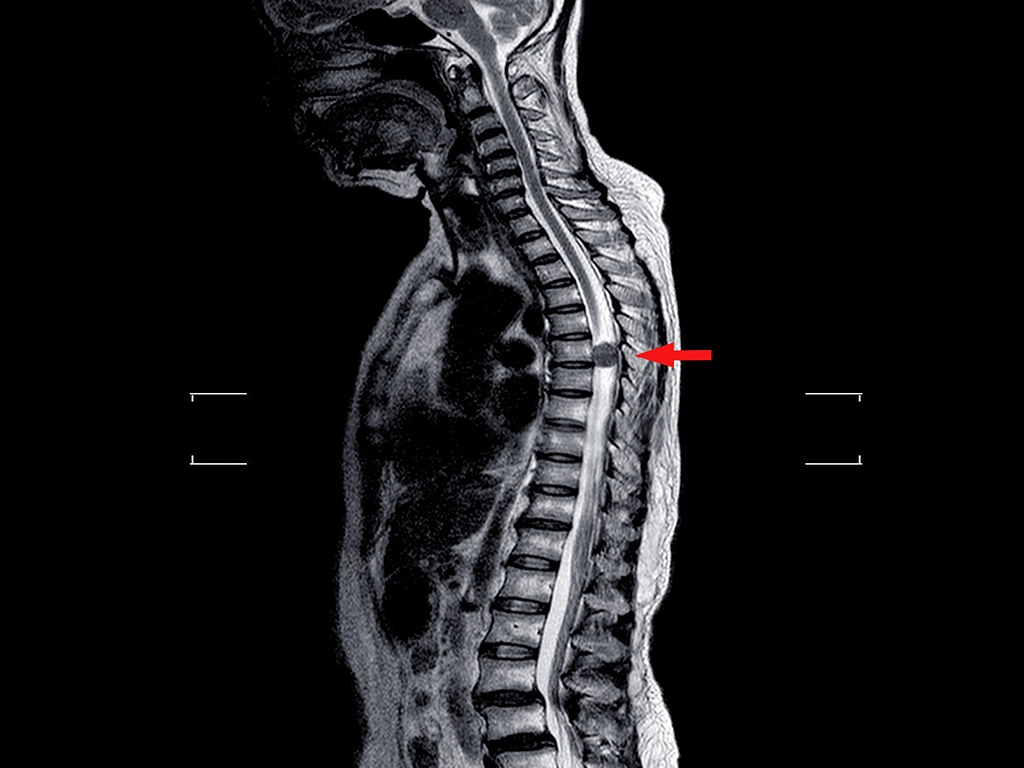
The symptoms of a traumatic spinal cord injury may vary depending on its severity, but the most common include:
The causes of traumatic spinal cord injuries are diverse and may include falls from heights, diving into shallow water, car accidents, sports injuries, and wounds caused by firearms or sharp objects
The diagnosis of a traumatic spinal cord injury involves:
Treatment for a traumatic spinal cord injury should be tailored to each case, depending on the nature of the injury. Approaches include:
Preventing spinal cord injuries should be encouraged through simple changes in risky behaviors, such as:
You may also like to read about:

difficulty performing certain physical activities, especially those requiring quick movements and ch [...]
difficulty performing certain physical activities, especially those requiring quick moveme [...]

can be described in various ways, depending on their duration (acute or chronic), size (partial, com [...]
can be described in various ways, depending on their duration (acute or chronic), size (pa [...]

the most common kidney condition in children, causing excessive protein loss in the urine
the most common kidney condition in children, causing excessive protein loss in the urine
difficulty performing certain physical activities, especially those requiring quick movements and ch [...]
difficulty performing certain physical activities, especially those requiring quick moveme [...]
can be described in various ways, depending on their duration (acute or chronic), size (partial, com [...]
can be described in various ways, depending on their duration (acute or chronic), size (pa [...]
the most common kidney condition in children, causing excessive protein loss in the urine
the most common kidney condition in children, causing excessive protein loss in the urine