

What is Barrett's Esophagus?
Barrett's esophagus is a condition that occurs when stomach acid repeatedly damages the lining of the esophagus. This leads to a change in the cells called dysplasia. It is associated with chronic acid reflux, which is when stomach contents flow back into the esophagus. It is more common in white men over the age of 50 who are overweight and lead a sedentary lifestyle. If left untreated, it can develop into esophageal cancer.
Symptoms
Barrett’s esophagus does not present specific symptoms. However, since it is generally associated with acid reflux, many people with the condition experience reflux-related symptoms. The most common symptoms include:
- heartburn (pyrosis), commonly referred to as “burning,” is an uncomfortable burning sensation in the upper stomach that can also affect the throat
- difficulty swallowing (dysphagia)
- severe chest pain, which is often mistaken for pain caused by angina or a heart attack
- dry cough
- hoarseness or sore throat
- regurgitation of food or sour liquid (acid reflux)
- sensation of a lump in the throat
- recurring lung diseases (such as pneumonia, bronchitis, and asthma)
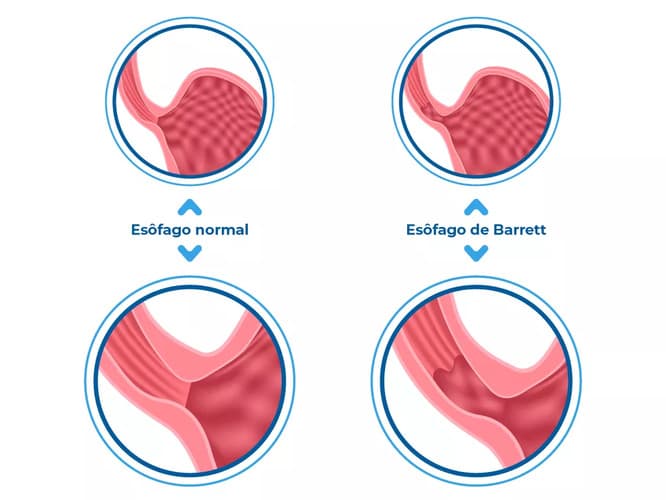
It is possible for someone with Barrett’s esophagus not to feel the typical symptoms of acid reflux, yet the lining of the esophagus may still be getting damaged. This increases the risk of developing esophageal cancer if left untreated.
Diagnosis
Endoscopy is the main test used to diagnose Barrett’s esophagus. However, other tests may be used to confirm the diagnosis, including:
- esophageal manometry: measures the pressure in the esophagus and is used to assess its function
- pH monitoring: measures the amount of acid in the esophagus over a 24-hour period
- high-resolution manometry: provides detailed images of the esophagus and can help identify any abnormal areas
- barium swallow: makes the inside of the esophagus more visible on X-rays and helps detect diseases
Treatment
Treatment for Barrett’s esophagus depends on several factors, including the severity of the condition and the patient’s overall health. The main goals of treatment are to prevent the condition from progressing to esophageal cancer and to manage symptoms, since it is a chronic condition—meaning that once it develops, it lasts a lifetime.
In addition to medications used to control acid reflux, in some cases, surgery or endoscopic procedures may be recommended. Endoscopic procedures are less invasive than surgery. They involve the use of special tools and techniques to destroy or remove abnormal cells in the esophagus.
The Einstein Center for Diagnosis and Treatment of the Esophagus offers treatments with cutting-edge technology and a highly experienced team of specialists. It is also the only center in the country that offers radiofrequency treatment. Learn more about the exams and treatments available.
Prevention
To prevent and manage the condition, it is important for the patient to take an active role in their health:
- schedule regular follow-up appointments with a gastroenterologist
- stick to prescribed medications
- engage in physical exercise
- avoid triggers for acid reflux
- quit smoking and limit alcohol consumption
- manage weight changes and stress
Lifestyle changes are beneficial and can help prevent the progression of Barrett’s esophagus and improve quality of life.
References
Brazilian Journal of Implantology and Health Sciences
You may also be interested in reading about:
Acid reflux: one of the main causes of both Barrett’s esophagus and esophagitis. Learning about treatment options, lifestyle changes, and strategies to manage acid reflux can help relieve symptoms and prevent future complications [...]
Esophageal cancer: causes, symptoms, diagnosis, and strategies to reduce the risk of developing this type of cancer and maintain digestive system health [...]
Gastritis: learn more about this condition that causes inflammation of the gastric mucosa, a layer of cells that protects the stomach from the acidic digestive juices produced to break down food [...]