

What is brain concussion?
A concussion occurs when there is a change in brain function as a result of a blow to the head or a strong body movement. Although classified as a mild injury, concussions can sometimes have more significant and long-lasting effects on brain function.
Symptoms
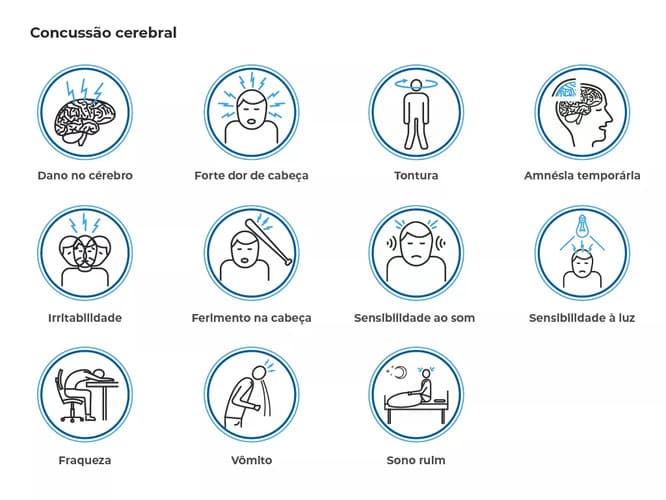
The main symptoms of a concussion may include:
- headache
- temporary loss of consciousness
- dizziness or vertigo
- nausea or vomiting
- confusion or difficulty concentrating
- sensitivity to light or sound
- difficulty with motor coordination
- memory changes
Causes
Concussions are mainly caused by direct impact to the head or by a sudden movement that causes the brain to move rapidly inside the skull. Common causes include:
- contact sports: sports like American football, ice hockey, rugby, boxing, martial arts, and soccer carry a high risk of concussion due to frequent physical impacts
- falls: especially common among the elderly and children, falls at home, at work, during sports, or recreational activities are a frequent cause
- traffic accidents: collisions involving cars, motorcycles, bicycles, or pedestrians struck by vehicles can result in concussions due to the impact or sudden body movement
Diagnosis
Concussion diagnosis is clinical, meaning it is based on symptoms. Loss of consciousness at the time of trauma is common but not required for diagnosis. Specialists such as neurologists, sports medicine doctors, or emergency physicians may perform physical exams, including balance and orientation tests, if needed.
In general, if a concussion is suspected, the most important step is to avoid further head trauma. This includes removing the person from sports activities until full recovery. A CT scan may also be considered to rule out other injuries such as fractures or bleeding.
Treatment
Treatment typically involves rest and symptom management under medical supervision. Common measures include:
- rest: crucial for brain recovery in the early phase. This includes physical rest (avoiding strenuous activities) and cognitive rest (limiting screen time). Once symptoms improve, a gradual return to physical and cognitive activities is allowed
- symptom monitoring: close observation of symptoms like headache, dizziness, nausea, concentration difficulties, and mood changes is important. If symptoms worsen or persist, medical attention is needed
- medication: doctors may prescribe medications to relieve symptoms such as headaches and nausea
Prevention
Preventing concussions involves strategies to reduce the risk of head and brain injuries:
- use of protective gear: wearing appropriate helmets during sports and contact activities
- medical evaluation: ensuring physical fitness and ruling out conditions that may increase the risk of head injuries
- fall prevention: taking steps to avoid falls at home and work, such as keeping walkways clear, using handrails, installing grab bars in bathrooms, and wearing non-slip footwear
References
You may also be interested in reading about:
Stroke (cerebrovascular accident): A vascular condition that occurs when the blood vessels supplying the brain become blocked or rupture, preventing blood flow and causing paralysis in the affected brain area due to lack of oxygen [...]
Hemorrhagic stroke: Bleeding in a part of the brain caused by the rupture of a blood vessel [...]
Ischemic stroke: Also known as a cerebral infarction or simply a stroke, it is caused by a lack of blood flow to a part of the brain due to the obstruction of an artery [...]
"Saúde no Pódio" (Health on the Podium) is a project that explores concepts, curiosities, and clarifies questions about sports practice, performance, mental health, and well-being during one of the world’s largest sporting events.