

What is Parkinson's Disease?
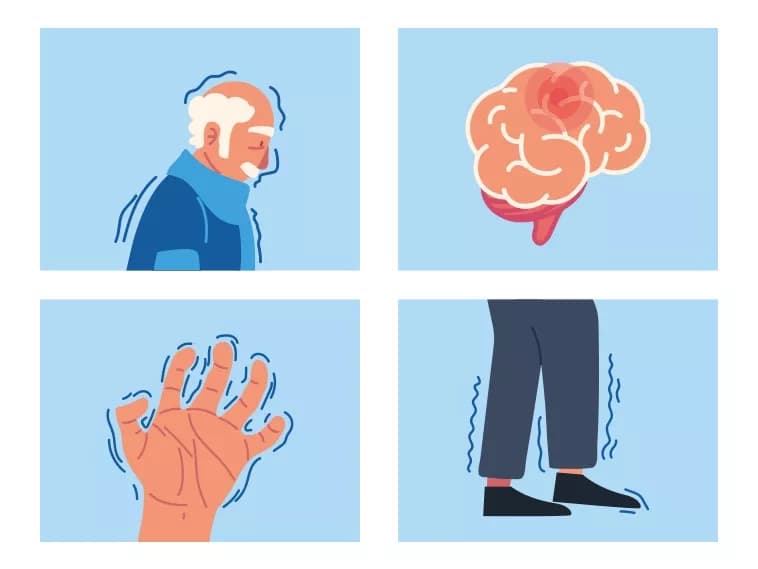
Parkinson's disease is a condition that affects the central nervous system (the brain region responsible for receiving and processing information), primarily the motor system, which is responsible for controlling body movements.
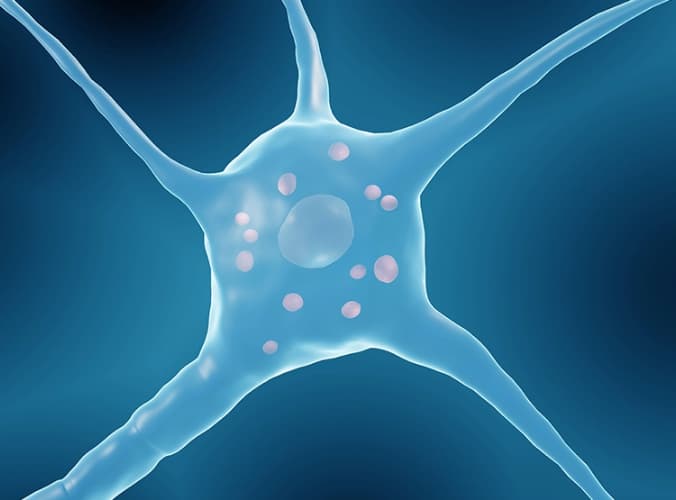
Parkinson's is caused by the progressive reduction in the production of dopamine, a brain molecule responsible for controlling movements such as walking, writing, and speaking. It is the second most common neurodegenerative disease (when neurons deteriorate) in the world, affecting about 11 million people.
Symptoms
The main symptoms related to body movement include:
- Bradykinesia: it is the decrease in the speed and amplitude of movements, resulting in overall slowness in motor activities
- Tremors: they are involuntary, usually in the hands or fingers, and typically occur at rest
- Muscle rigidity: this symptom makes movements slower and more difficult
- Postural instability: there may be difficulty in maintaining balance and posture, which can lead to falls
However, there are other non-motor symptoms that can impair quality of life, such as:
- Sleep disorders
- Depression
- Anxiety
- Constipation
- Urinary urgency (urgent need to urinate)
- Excessive sweating
- Excessive salivation
- Pain
Causes
The exact cause of Parkinson's disease is unknown. However, a combination of genetic, environmental, and brain aging factors may play a role in its development. Some of the possible causes and associated risk factors are:
- Genetics: specific mutations (changes in genes) have been identified in some familial cases of the disease. However, most cases of Parkinson's are not hereditary
- Age: the risk of developing Parkinson's increases with age. Most cases occur in people over 55 years old
- Environmental factors: exposure to solvents, pesticides, drinking well water, and repeated head trauma can precipitate Parkinson's disease. The use of medications or even previous exposure to certain drugs, such as epilepsy medications, may be associated with the future risk of developing Parkinson's
- Emotional: still little studied, emotional factors, such as trauma, can precipitate the onset of neurodegenerative diseases like Parkinson's
Diagnosis
The diagnosis of Parkinson's disease is complex and usually requires the evaluation of a neurologist specialized in movement disorders.
There is no specific test to confirm the diagnosis, which is often based on a combination of clinical evaluation, medical history, physical examinations, and, in some cases, additional tests such as neuroimaging. Some of the main aspects considered in the diagnosis include:
- Clinical history: the responsible healthcare professional, such as a neurologist, can collect detailed information about the symptoms, their onset, and progression over time
- Detailed physical examination: it is conducted to assess the presence of characteristic motor symptoms of Parkinson's, such as tremors, rigidity, slow movements, postural instability, and gait changes
- Complementary exams: currently, structural and functional neuroimaging techniques, genetic studies, and even skin biopsy can assist in the diagnosis of Parkinson's, especially in cases of diagnostic doubt
Treatment
The treatment of Parkinson's disease aims to control symptoms, improve the patient's quality of life, and prevent disease progression. The therapeutic approach is individualized and may include a combination of medications, physical therapies, occupational therapies, and other interventions. The most viable strategies are:
- Use of medications with medical prescription
- Physical therapy: can help improve mobility, balance, and posture
- Speech therapy: can help with difficulty in speaking and swallowing
- Psychological counseling: is beneficial for dealing with the emotional impact of the disease
- Exercise: walking, swimming, and aerobic exercises can help improve motor function and balance
- Deep brain stimulation: a surgical technique, known as Deep Brain Stimulation (DBS), that works like a brain pacemaker. It involves placing electrodes in a small region of the brain called the subthalamic nucleus. When stimulated by DBS, this area produces small electrical impulses aimed at restoring its function and improving Parkinson's symptoms
- High-intensity focused ultrasound (known asHIFU): the procedure takes about 120 minutes and the patient wears a helmet that emits ultrasound waves targeting the deep brain region. It is a technique used to relieve tremors in Parkinson's disease
Prevention
There is no known way to absolutely prevent Parkinson's disease, as its exact causes are not yet fully understood. However, some strategies can be considered for a potential prevention approach:
- Regular physical activity: has been associated with a lower risk of developing Parkinson's disease. Aerobic activities such as walking, swimming, and cycling can be beneficial
- Maintaining a healthy diet: a diet rich in antioxidants, such as fruits, vegetables, nuts, and whole grains, can provide benefits for brain health. Some research suggests that the consumption of caffeine and green tea may also be associated with a lower risk
- Cognitive and social activities: the greatest challenge for the human brain is living in society. The so-called neuroplasticity, the basis for slowing Parkinson's disease, depends on new connections between neurons. Therefore, meeting people and learning new things are important prevention tools for neurodegenerative diseases like Parkinson's
References
Secretaria de Estado da Saúde de Alagoas
You might also like to read about:
Frontotemporal dementia: a group of disorders that affect areas of the brain known as the frontal and temporal lobes, associated with personality, behavior, and language
Vascular dementia: caused by damage to the blood vessels and blood flow in the brain, leading to cognitive changes. It is the second most common cause of dementia
Concussion: occurs when there is an alteration in brain function, resulting from an impact to the head or a strong body movement