

What is leukemia?
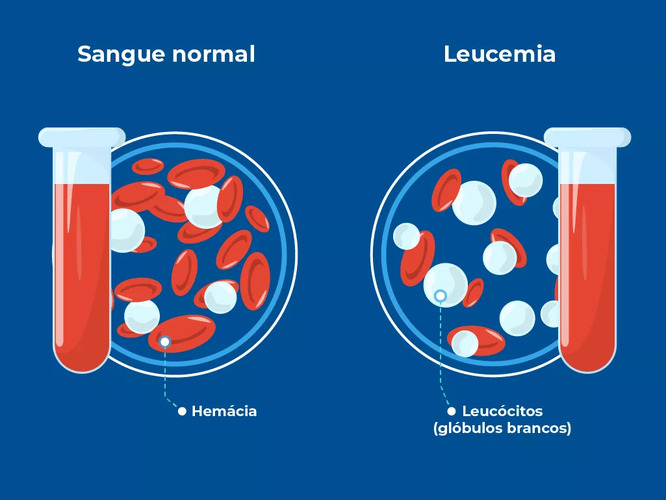
Leukemia is a type of cancer that affects blood cells in the bone marrow and lymphatic system. The bone marrow is responsible for producing blood cells, and in leukemia, this production is altered, leading to a series of complications. There are chronic and acute forms of leukemia, which can be lymphoid or myeloid in nature, depending on the type of white blood cell involved.
Chronic myeloid leukemia is now considered a manageable disease with what is known as targeted therapy. Chronic lymphocytic leukemia may only require patient monitoring, and treatments based on oral medications and immunotherapy are used when necessary. On the other hand, acute leukemias require hospitalization and more aggressive treatment, and they can also be cured at high rates.
Symptoms
Leukemia symptoms can vary depending on the stage of the disease. However, some common symptoms may include:
- Fatigue and weakness: due to a lack of healthy red blood cells, which are responsible for transporting oxygen throughout the body
- Frequent infections: the body becomes more vulnerable to infections
- Bleeding or bruising: this occurs due to a lack of normal platelets in the blood
- Bone or joint pain: leukemic cells can accumulate in the bone marrow and cause pain in the bones and joints
These symptoms can also appear in other illnesses. Therefore, it is essential to consult a healthcare professional to receive an accurate diagnosis.
Causes
The causes of leukemia are mutations that can occur due to a variety of factors:
- Genetics: some types of leukemia are known to have a genetic predisposition, meaning the likelihood of developing the disease can be inherited. However, in most cases, the genetic alteration is acquired, and the risk increases with aging
- Exposure to certain chemical agents: substances such as benzene, for example, can increase the risk of developing leukemia
- Excessive radiation exposure: this is why excessive CT scans should be avoided
- Previous chemotherapy or radiotherapy treatments: individuals who have undergone treatments for other types of cancer, such as chemotherapy or radiotherapy, may have a higher risk of developing secondary leukemia
Diagnosis
The diagnosis of leukemia involves a comprehensive clinical evaluation, laboratory tests, and, in many cases, invasive procedures to obtain bone marrow samples. Some common steps in the diagnostic process include:
- Clinical evaluation: the specialist (hematologist) conducts a detailed review of the patient’s medical history, including symptoms, exposure to risk factors, and family history
- Blood tests: usually the first test performed. Abnormal results, such as low or high blood cell counts, may indicate the presence of leukemia
- Bone marrow biopsy: a bone marrow sample is typically taken from the back of the pelvis (hip bones) or the sternum using a special needle. The analysis of the bone marrow allows for the identification of leukemic cells
Treatment
Leukemia treatment varies depending on the stage of the disease, the patient’s age, and other individual factors. Generally, the main treatment modalities for leukemia include:
- Chemotherapy: a common approach to destroy or control leukemic cells. It can be administered orally or intravenously
- Radiotherapy: high-energy radiation used to destroy leukemic cells. It is often used for specific types of leukemia or targeted areas of the body
- Targeted therapy: medications aimed at specific leukemic cells to minimize damage to normal cells
- Bone marrow transplant: involves replacing diseased bone marrow with healthy cells from a compatible donor
Einstein Oncology and Hematology offers comprehensive care from diagnosis to treatment. Learn more
Prevention
Leukemia prevention is, for the most part, not direct, as many risk factors are difficult to control. However, some measures can be taken to reduce the risk of leukemia and improve overall health:
- Avoid exposure to toxic substances: certain chemicals, such as benzene, can increase the risk of leukemia. This includes practicing safety in the workplace and choosing less toxic household products
- Maintain good health practices: such as preventing infections that may trigger certain types of leukemia. This includes washing hands regularly and getting vaccinated as recommended
- Healthy lifestyle: maintaining a balanced diet, exercising regularly, and avoiding risky behaviors such as smoking
- Regular health check-ups: to detect early any health issues that may increase the risk of leukemia
Oncology and Hematology at Einstein Hospital Israelita
Oncology and Hematology at Einstein Hospital Israelita offers a comprehensive care journey, with excellence, compassion and multidisciplinary support at every stage, from diagnosis to treatment. Care may include nutritional and psychological support, as well as rehabilitation and physical therapy programs, according to each patient’s needs.
For five consecutive years, the program has been recognized as the best in Oncology and Hematology in Latin America and one of the top 20 in the world by Newsweek magazine.
Learn more: Einstein Oncology and Hematology
Health and Well-being
Read health-related content and expand your knowledge

Disease What is cancer, its symptoms and causes
A disease characterized by the uncontrolled growth of abnormal cells in the body
A disease characterized by the uncontrolled growth of abnormal cells in the body

Condition Main types of spinal cord injury (SCI)
Injury to the spinal cord caused by an accident or impact. It can damage nerve tissue
Injury to the spinal cord caused by an accident or impact. It can damage nerve tissue

Disease Hodgkin's Lymphoma: diagnosis and prevention
Cancer that begins in the organs of the immune system that help fight infections
Cancer that begins in the organs of the immune system that help fight infections

What is cancer, its symptoms and causes
A disease characterized by the uncontrolled growth of abnormal cells in the body
A disease characterized by the uncontrolled growth of abnormal cells in the body

Main types of spinal cord injury (SCI)
Injury to the spinal cord caused by an accident or impact. It can damage nerve tissue
Injury to the spinal cord caused by an accident or impact. It can damage nerve tissue

Hodgkin's Lymphoma: diagnosis and prevention
Cancer that begins in the organs of the immune system that help fight infections
Cancer that begins in the organs of the immune system that help fight infections