
Tendon Rupture
Einstein Health Glossary
ICD 10 - M66

ICD 10 - M66
A tendon rupture is an injury that occurs when a tendon—the structure that connects muscle to bone—tears either partially or completely. This injury can result in intense pain, loss of mobility, and impairment of daily activities
Common symptoms of a tendon rupture include:
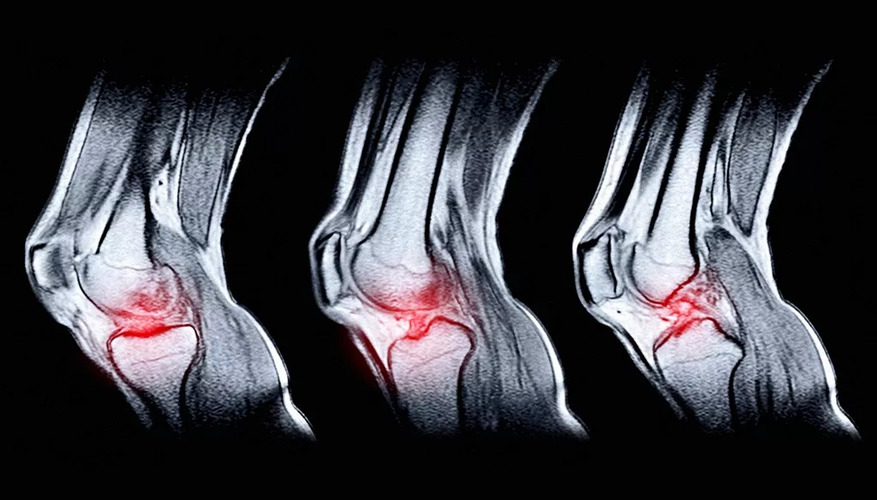
Tendon ruptures can occur in many ways. Some of the most common causes include:
The diagnosis of a tendon rupture is usually made by an orthopedic specialist. The diagnostic process may include:
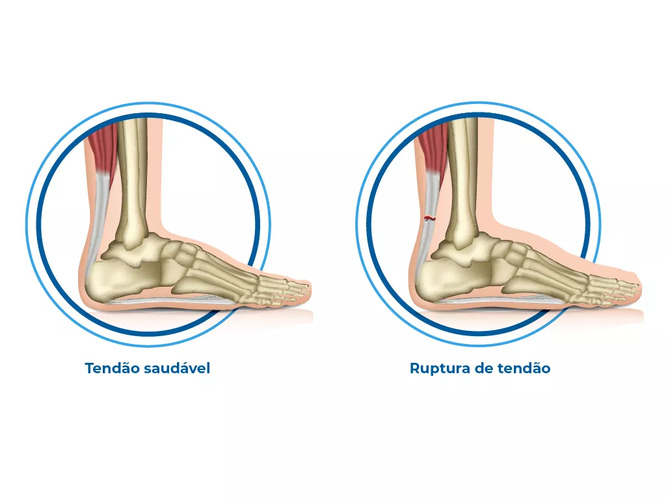
treatment for a tendon rupture may vary depending on the severity of the injury and the location of the affected tendon. Treatment options may include:
Some measures can help prevent tendon ruptures, such as:
If a tendon rupture is suspected, it is important to seek immediate medical evaluation for an accurate diagnosis and appropriate treatment. Early treatment can help prevent complications and lead to better recovery with less pain
National Institute of Traumatology and Orthopedics – Tendon Inflammations
National Institute of Traumatology and Orthopedics – Falls and Inflammations
You may also be interested in reading about:

difficulty performing certain physical activities, especially those requiring quick movements and ch [...]
difficulty performing certain physical activities, especially those requiring quick moveme [...]

a group of genetic diseases that cause progressive weakness and loss of muscle mass. The most common [...]
a group of genetic diseases that cause progressive weakness and loss of muscle mass. The m [...]

fractures of the toe bones are very common. These bones are called phalanges
fractures of the toe bones are very common. These bones are called phalanges
difficulty performing certain physical activities, especially those requiring quick movements and ch [...]
difficulty performing certain physical activities, especially those requiring quick moveme [...]
a group of genetic diseases that cause progressive weakness and loss of muscle mass. The most common [...]
a group of genetic diseases that cause progressive weakness and loss of muscle mass. The m [...]
fractures of the toe bones are very common. These bones are called phalanges
fractures of the toe bones are very common. These bones are called phalanges