
Multiple Sclerosis (MS)
Einstein Health Glossary
ICD 10 - G35

ICD 10 - G35
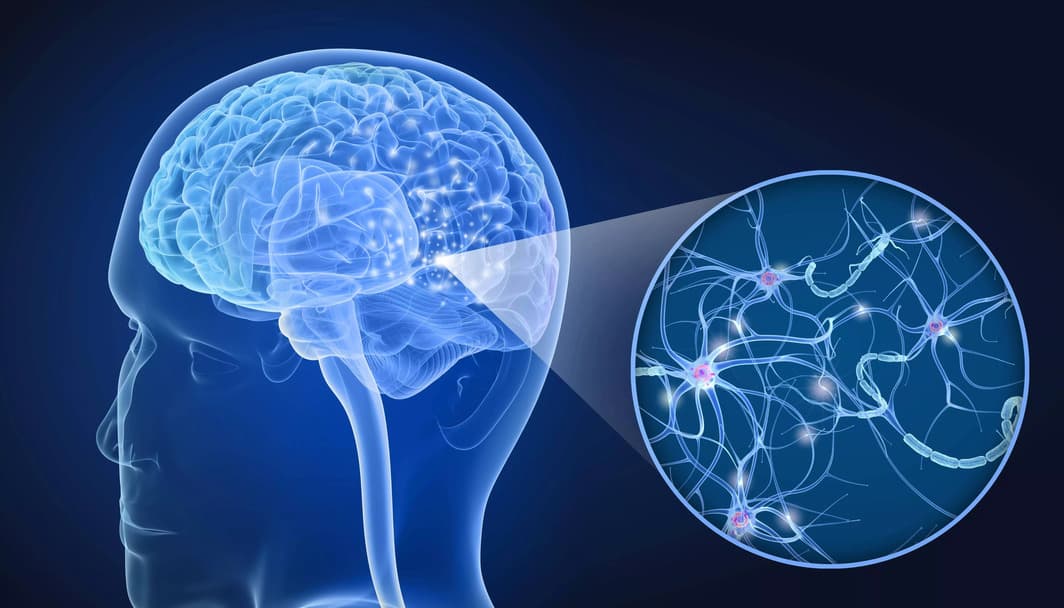
Multiple sclerosis is a chronic autoimmune demyelinating neurological disease caused by inflammatory and degenerative mechanisms that damage the myelin sheath covering the neurons in the white and gray matter of the central nervous system (CNS).
Certain areas of the nervous system are more commonly affected by the demyelination characteristic of the disease, which explains the most frequent symptoms: the brain, brainstem, optic nerves, and spinal cord.
The prevalence and incidence of MS vary worldwide depending on geography and ethnicity, with prevalence rates ranging from 2 per 100,000 in Asia to over 100 per 100,000 in Europe and North America.
In Brazil, it is estimated that there are around 40,000 cases of the disease, with an average prevalence of 15 cases per 100,000 inhabitants, according to the latest update from the Multiple Sclerosis International Federation and the World Health Organization published in 2013. The estimated number of people with MS worldwide increased from 2.1 million in 2008 to 2.3 million in 2013.
The disease typically affects young adults, most commonly between the ages of 20 and 40, and is more prevalent in women.
The causes involve a genetic predisposition (with some genes already identified that regulate the immune system) combined with environmental factors that act as “triggers”:
In individuals with MS, immune cells reverse their role: instead of protecting the body, they begin to attack it, causing inflammation. These inflammations particularly affect the myelin sheath—a protective layer that covers the axons (nerve fibers) responsible for conducting electrical impulses between the CNS and the body.
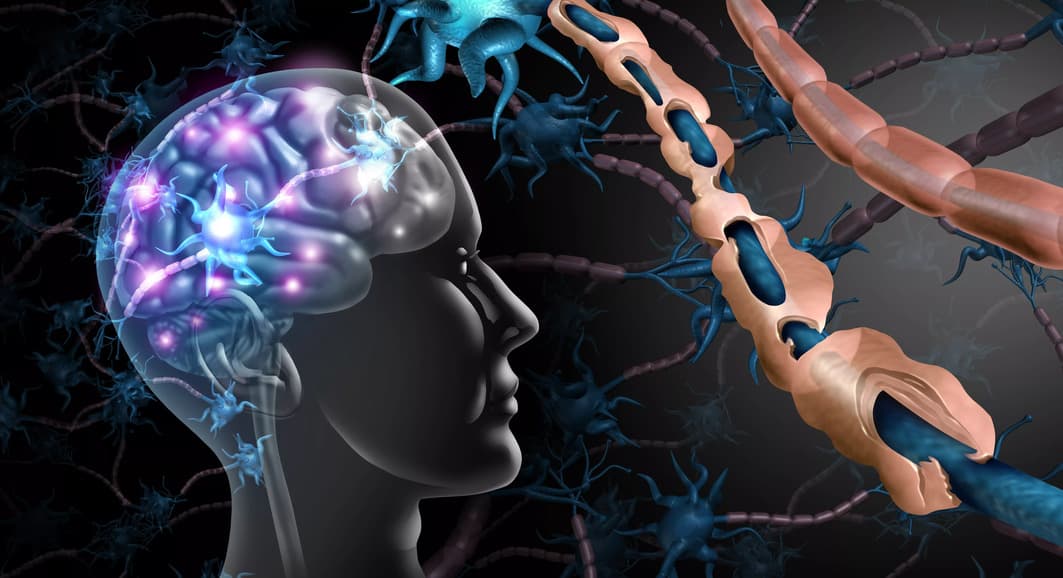
When the myelin and axons are damaged, the functions coordinated by the brain, cerebellum, brainstem, and spinal cord become impaired. This leads to typical symptoms such as visual disturbances, sensory changes, balance issues, sphincter control problems, and muscle weakness in the limbs, resulting in reduced mobility.
Relapses or flare-ups occur when a new neurological symptom appears or when a significant worsening of a previous symptom lasts for at least 24 hours.
To be considered a new relapse, there must be a minimum interval of 30 days between episodes—otherwise, it is considered part of the same ongoing relapse. Recovery from these inflammatory attacks (relapses) may be total or partial (remyelination).
Each relapse varies and can include one or more symptoms.
Some patients experience symptom worsening during fever or infections, extreme cold or heat, fatigue, physical exertion, dehydration, hormonal changes, and emotional stress—these are generally temporary situations. Special attention should be given to infections, as they can worsen the clinical condition and trigger symptoms that may resemble relapses but are actually considered “pseudo-relapses.”
The most common include:

Clinical Forms of MS:
The first form, relapsing-remitting MS (RRMS), accounts for about 85% of cases. It is characterized by episodes of neurological symptoms (relapses) followed by recovery, either spontaneously or with treatment. This form typically appears in the early years of the disease, often with full recovery and no lasting damage. Relapses last for days or weeks and, on average, occur once a year if no proper treatment is started.
Within approximately 10 years, about half of these patients will progress to the secondary progressive form (SPMS). In this stage, patients no longer fully recover from relapses and begin to accumulate permanent damage. For example, they may experience permanent vision loss or increasing difficulty walking, potentially requiring mobility aids such as a cane or wheelchair.
In the remaining 10% of cases, the disease presents as primary progressive MS (PPMS), characterized by a gradual worsening of symptoms, without distinct relapses.
About 5% of patients develop a more aggressive and rapidly progressing form called progressive relapsing MS (PRMS). This form combines continuous disease progression with acute relapses and involves earlier and more severe axonal damage.
The diagnosis of multiple sclerosis (MS) is based on the 2017 McDonald Criteria, which consider various clinical and imaging aspects, along with cerebrospinal fluid (CSF) analysis for specific markers. Magnetic resonance imaging (MRI) of the brain and spinal cord is the main tool for diagnosing demyelinating diseases of the central nervous system (CNS).

MRI findings must meet criteria for dissemination in time and space:
In the images below, the rounded white areas are typical demyelinating lesions, shown by the arrows.

At Hospital Israelita Albert Einstein, high-field MRI equipment (3-Tesla) and nuclear medicine imaging (PET-MRI) are used for more accurate diagnosis of demyelinating diseases. Reports are delivered faster, with greater specificity and structure, in partnership with Einstein Diagnostic Medicine. These reports detail individual patient characteristics and incorporate analyses aligned with the latest developments in image interpretation, enhancing clinical follow-up and evaluation of treatment efficacy and safety.
CSF analysis is also important for confirming MS diagnosis. The fluid is collected via lumbar puncture, and the presence of oligoclonal bands (OCBs) is a key diagnostic marker in demyelinating disease investigation.
A figura abaixo demonstra 9 amostras de soro (sangue) e líquor (LCR) onde em 6 delas se encontra a presença de Bandas Oligoclonais (BOC) exclusivamente no LCR indicando parte do processo imunológico envolvido na Esclerose Múltipla. Este exame auxilia no diagnóstico da doença.

Early diagnosis of MS makes a significant difference. The sooner treatment begins, the greater the chance of altering the long-term course of the disease—reducing the number of relapses, lesions, and neurological sequelae.
The treatment of patients with multiple sclerosis and demyelinating diseases, whether in a hospital setting or at the Medication Therapy Center, follows the following clinical treatment protocols:

A figura abaixo ilustra como as medicações de alta eficácia para o tratamento da esclerose múltipla atuam na imunidade:

Multiple Sclerosis. N Engl J Med 378;2 nejm.org January 11, 2018
Multiple sclerosis. Nat Rev Dis Primers 4, 43 2018
Leia conteúdos sobre saúde e amplie seu conhecimento:

Doença autoimune que causa fraqueza muscular progressiva e fadiga [...]
Doença autoimune que causa fraqueza muscular progressiva e fadiga [...]

Inflamação do fígado causada por reação do sistema imunológico contra o próprio órgão [...]
Inflamação do fígado causada por reação do sistema imunológico contra o próprio órgão [...]

Interrupção do fluxo sanguíneo no cérebro causando danos neurológicos súbitos [...]
Interrupção do fluxo sanguíneo no cérebro causando danos neurológicos súbitos [...]
Doença autoimune que causa fraqueza muscular progressiva e fadiga [...]
Doença autoimune que causa fraqueza muscular progressiva e fadiga [...]
Inflamação do fígado causada por reação do sistema imunológico contra o próprio órgão [...]
Inflamação do fígado causada por reação do sistema imunológico contra o próprio órgão [...]
Interrupção do fluxo sanguíneo no cérebro causando danos neurológicos súbitos [...]
Interrupção do fluxo sanguíneo no cérebro causando danos neurológicos súbitos [...]