

What is obesity?
Obesity is a medical condition characterized by excess fat, which can have negative effects on health.
It is usually diagnosed through the Body Mass Index (BMI), which is calculated by dividing weight (in kg) by height (in meters) squared. For example: a person weighing 70 kg and 1.60 meters tall has a Body Mass Index of 27.34. A BMI of 30 or higher is considered indicative of obesity.
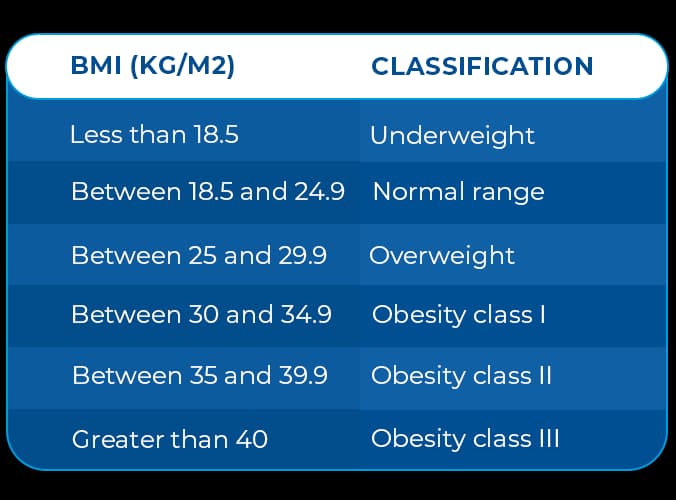
It is important to note that there are other ways to determine excess weight that work in conjunction with BMI calculation. They include:
- Body fat percentage calculation
- Abdominal circumference measurement
Moreover, it should always be remembered that when it comes to health, each case is unique. Therefore, other factors will be considered by the physician when determining the paths to be followed.
Symptoms
Obesity does not present specific symptoms, but some complications may be related:
- Increase in body weight: the main symptom of obesity is excessive weight gain, which is assessed through the body mass index (BMI)
- Fatigue: excess weight can overload the body and lead to a general feeling of tiredness and lack of energy
- Shortness of breath: obesity can cause pressure on the lungs and heart, making it difficult to breathe, especially during physical activities
- Sleep problems
- Skin problems: excess body fat can increase the risk of skin problems, such as stretch marks, fungal infections, and acne
Additionally, obesity can cause orthopedic complications, such as back and knee pain, due to the overload on the joints caused by excess weight.
Causes
Obesity is caused by many factors, such as genetics, behavior, environment, and metabolism. Some of the main causes of obesity are:
- Excessive calorie consumption: one of the most common causes of obesity is eating more calories than the body burns for its energy needs
- Lack of physical activity: when a person consumes more calories than they burn, the excess is stored as fat in the body
- Genetic factors: some studies show that certain types of genetic variations can influence metabolism, appetite, and weight regulation
- Metabolic factors: metabolic problems, such as insulin resistance and metabolic syndrome, can increase the chances of obesity. They change the way the body handles energy and can cause weight gain
Diagnosis
In addition to the body mass index (BMI), other factors may also be considered in the diagnosis and assessment of obesity, including:
- Fat distribution: measuring waist circumference (measurement of the abdominal region) can help diagnose body fat distribution. Fat in the abdominal area is linked to health problems related to obesity
- Medical history: the physician or healthcare professional may review the patient's medical history, including any significant weight gain events, previous weight loss attempts, medical conditions related to obesity, and use of medications that may influence body weight
- Clinical evaluation: during a physical exam, the physician may assess other physical signs associated with obesity, such as acanthosis nigricans (a dark pigmentation of the skin in skin folds), joint changes, and signs of medical conditions related to obesity, such as high blood pressure or diabetes
Treatment
The treatment of obesity has several stages. Currently, there are new medications that are safe and effective. Additionally, some actions are important:
- Lifestyle changes and healthy diet: having a healthy diet with whole foods, such as fruits, vegetables, lean proteins, and whole grains. It is important to reduce the consumption of foods with added sugars, saturated fats, processed and ultra-processed foods (foods that have gone through industrial processes and have additives, such as colorings, preservatives, flavorings, for example)
- Increase in physical activity: regular physical activity is essential to help accelerate calorie expenditure and improve overall health. At least 150 minutes of moderate-intensity aerobic activity per week is recommended, with muscle-strengthening exercises twice a week
- Counseling and support: nutritionists, psychologists, and lifestyle changes can help people make changes in their eating and exercise habits. Support groups and weight loss programs also offer emotional support and motivation
- Bariatric surgery: indicated in cases of severe obesity or associated with various complications when clinical treatment has not been effective
Today, obesity is understood as a chronic, complex condition caused by many factors and requires follow-up and treatment throughout the individual's life.
Prevention
Preventing obesity is essential to reduce the risk of developing this serious health condition and its associated complications. This can be done in various ways:
- Having a healthy diet
- Staying active: in physical activities, such as aerobic exercises (walking, running, swimming, or cycling) and muscle-strengthening exercises. It is important to try to engage in at least 150 minutes of moderate-intensity aerobic activity per week, as recommended by health agencies
- Limiting screen time: reducing screen time helps decrease periods without physical activity. For children and adolescents, it is important to encourage outdoor physical activities
References
You might also like to read about:
Cholesterol: high cholesterol occurs when our body produces excess fat, which increases the risk of cardiovascular diseases, such as heart attack and stroke
Hypertension: popularly known as high blood pressure, is the elevation of blood pressure levels in the arteries. It is considered high when it reaches values above 12 by 8 (120 by 80 mmHg)
Diabetes: elevation of blood glucose levels, caused by the lack of insulin production in the pancreas or by the loss of efficiency of insulin action in people with excess body fat