Giving

Work in the SUS

Since 2001, Einstein has contributed to the development of the Brazilian Unified Health System (SUS) by implementing practices focused on quality, safety, operational efficiency, and patient experience through the management of public healthcare facilities. The knowledge developed in care delivery, clinical and operational practices within the private sector, as well as in education, research, and innovation, is adapted and transferred to the SUS. In turn, private healthcare also learns from the public system in areas such as primary care, mental health, and population health, while contributing to research and teaching activities. This exchange makes it possible to promote greater health equity in practice and generate advances that benefit society as a whole.

In addition to managing public facilities, Einstein also operates within the SUS through the Institutional Development Support Program of the Unified Health System (Proadi-SUS), created in 2009 by the Ministry of Health (MS).

A family composed of a woman, a man, and a child embrace on a hospital bed, symbolizing Einstein’s humanized care in its public healthcare services.


PROADI-SUS

The Institutional Development Support Program of the Unified Health System (PROADI-SUS), created in 2009, aims to strengthen the SUS through projects aligned with the Ministry of Health, the National Council of Health Secretaries (CONASS), and the National Council of Municipal Health Secretariats (CONASEMS), and carried out by philanthropic hospitals committed to the development of excellence in public healthcare, including Einstein. Through PROADI-SUS, hospitals conduct regional or nationwide projects in areas such as the development of management techniques and operations, human resources training, public-interest research, technology assessment and incorporation studies, and high‑complexity care.

By contributing to its development, Einstein positively impacts millions of people across the country. Among the projects currently underway are:

  • Solid Organ Transplant Mentorship

    This initiative trains professionals and new transplant centers to decentralize treatment and expand access for patients in regions with fewer healthcare resources. Between 2021 and 2023, transplants were performed in four units, with 401 professionals trained. Highlights include the first liver transplant at a public hospital in Pará and kidney transplants performed in Sergipe and Mato Grosso do Sul

Ilustração de cientista apresentando estudo
Dois profissionais de saúde em ambiente clínico simbolizam o cuidado com saúde, prevenção e bem-estar, e oferecem uma abordagem completa e integrada para o paciente.
  • Health in Our Hands

    This project promotes the implementation of quality processes to reduce healthcare-associated infections in public hospitals across Brazil. Implemented in 188 healthcare units and impacting more than 200,000 patients, the project recorded approximately 2,300 lives saved and 6,000 infections prevented during the 2021–2023 cycle, with an estimated R$ 364 million in savings.

  • TeleAMEs

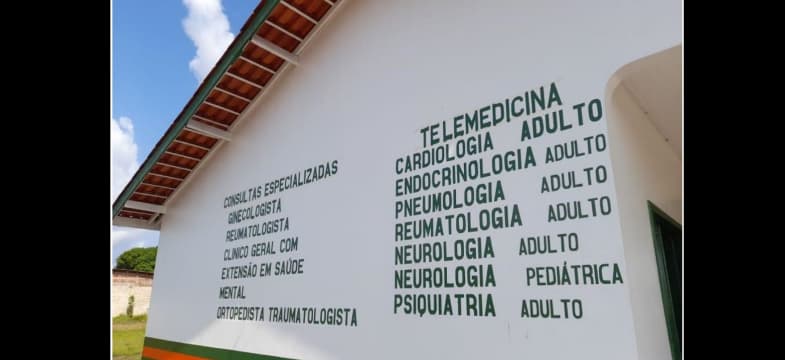
    Launched in 2020, TeleAMEs offer specialized telemedicine consultations and currently serve more than 180,000 people in the North and Center-West regions, with 354 active sites in 11 states and the Federal District. By offering care in cardiology, endocrinology, psychiatry, pulmonology, rheumatology, and pediatric and adult neurology, the project reduces wait times, costs, and the need for travel. Local physicians also benefit from ongoing training, improving the quality of care provided in Primary Health Units.

Duas pessoas conversam por video chamada simbolizando o cuidado com saúde, prevenção e bem-estar do Einstein por meio da atuação nas TeleAMEs
Profissional da área da pesquisa simbolizando a realização de  experimento
  • CAR-T Cell Research

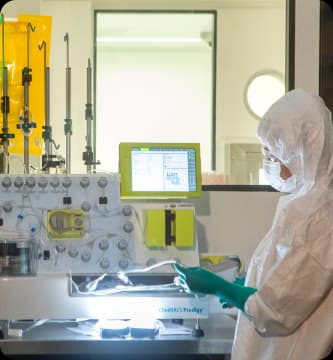
    Einstein invests in infrastructure, training, and research to develop new therapies for complex diseases using advanced cellular therapies such as CAR-T. These cutting-edge technologies are used for specific types of cancer. With approval from Anvisa to produce these cells in its own laboratory since July 2022, Einstein has reduced both costs and production time. The process now takes only 15 days instead of 45—critical time saved for cancer patients. The research, focused on resistant lymphomas and leukemias, plans to include at least 30 SUS patients.
     

These are some examples of the 42 projects developed during the last three-year cycle (2021–2023). The initiatives are funded with resources generated by Einstein, in an amount equivalent to the tax immunity on social contributions, and are monitored by the Ministry of Health and oversight bodies. All projects undergo internal and external audits, ensuring transparency.

To learn more about Einstein’s work through PROADI, access the Sustainability Report.

Profissional da área da pesquisa realiza estudo de Células CAR-T para tratamentos personalizados para o câncer.
Moradora de comunidade à caminho da de consulta na Tele-AMEFachada de local onde são realizadas consultas da Tele-AME para população ribeirinha

Public Care

Einstein manages hospitals and outpatient units within the Brazilian Unified Health System (SUS) through contracts established with state and municipal governments, working to expand access and provide high‑quality care to the population, always aligned with SUS guidelines. The organization currently manages 31 units, ranging from hospitals to outpatient, specialized, and urgent care services, such as Emergency Care Units (UPA) and Ambulatory Medical Assistance units (AMA).

This extensive care network highlights Einstein’s role in public healthcare, with significant figures that demonstrate the reach and positive impact of these services. Below are the results achieved in 2023:
 

  • 14 Primary Healthcare Units (UBS) recorded in 2023, with more than 3.2 million visits, including over 412,000 medical consultations, serving more than 106,000 registered families.

  • Three Ambulatory Medical Assistance (AMA) units delivered more than 1.7 million visits and procedures, including over 359,000 medical consultations.

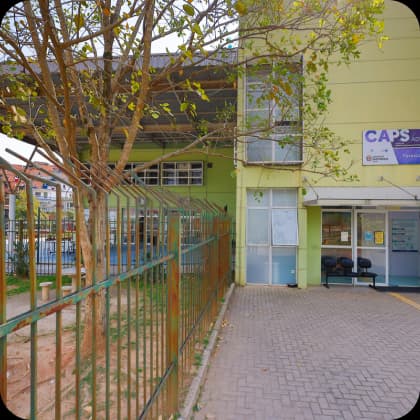
  • In the four Psychosocial Care Centers (CAPS), support for patients with mental health conditions is a priority, totaling more than 118,000 visits, including initial evaluations, family care, and group sessions.

Mãe leva bebê para consulta médica, representando a atuação do Einstein em diversas frentes de atendimento
  • In the field of child care and well‑being, the Perobeiras Early Childhood Education Center (CEI Perobeiras) plays an important role by providing a safe environment for the development of babies and children up to four years old. The unit currently serves 231 children.

  • The Einstein Network for Critically Ill Patients includes the management of intensive care units (ICUs) in public and private hospitals. Equipped with state‑of‑the‑art technology and standardized protocols, the network expands access to high‑quality critical care for the population.

  • Einstein is committed to delivering more health and quality of life to patients cared for in the public units it manages. To achieve this, it monitors indicators of quality, safety, clinical outcomes, patient‑reported outcomes, and resource use.
    Access the 2025 performance indicators, organized by unit.

Public Units

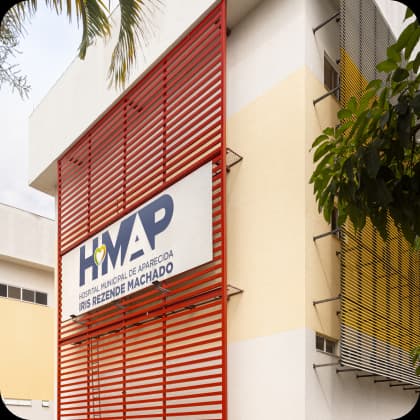
Einstein’s public healthcare management includes four hospitals located in the cities of São Paulo, Goiânia, and Salvador, with more than 2.7 million patient visits recorded in 2023. In addition, the organization manages 31 units through contracts established with the São Paulo City Government. These units range from family health services to specialized procedures, benefiting more than 2 million users of the public health system (2023).

Foto da fachada de uma unidade de Centro de Atenção Psicossocial administrada pelo EinsteinFoto da fachada de uma unidade do Hospital Municipal Aparecida de Goiânia administrado pelo Einstein