
CAR-T Therapy
Einstein Health Library
- Procedures

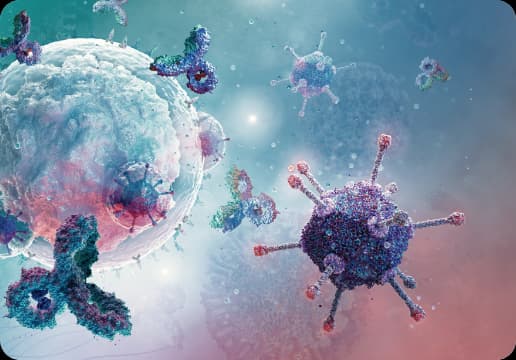
CAR-T therapy is a groundbreaking treatment that reprograms the patient’s own immune system cells to fight cancer. These cells, called lymphocytes, are chosen for their natural ability to "attack" substances identified as foreign to the body.
The treatment begins with the collection of the patient’s cells, which are then modified in a laboratory to target cancer. The third step is the reinfusion of the modified lymphocytes into the patient’s body. Once there, they specialize in eliminating only the cancer cells, without affecting healthy ones.
To learn more about CAR-T and cellular reprogramming, you can also contact the project team:
Einstein is one of the pioneers of CAR-T therapy in Brazil. The medical team, composed of specialists in the field, conducts advanced research to develop the treatment. Einstein has developed its own CAR-T cells in partnership with the Ministry of Health through the Institutional Development Support Program of the Unified Health System (PROADI-SUS).
These cells are currently being used in a Phase I clinical trial to treat patients with hematologic diseases such as:
By developing this technology in Brazil, the hospital aims to make the treatment more accessible, reduce costs, and centralize the process in a single location, which also helps to streamline care.
Einstein also has experience with commercial CAR-T cell products from pharmaceutical companies, approved by Anvisa for the treatment of hematologic cancers such as B-ALL, NHL, and multiple myeloma (MM). These commercial CAR-T therapies include:
Each case is unique, so it is essential to consult a healthcare professional to discuss the most appropriate treatment for you:
The treatment is carried out in the following steps:
Unlike chemotherapy and radiotherapy, which generally require multiple sessions, CAR-T therapy involves a single infusion of the modified T cells.
This treatment is indicated for certain specific types of blood cancer, especially in patients who have not responded well to other therapies:
The Oncology and Hematology Department at Einstein offers comprehensive care from diagnosis through treatment. Learn more.
To learn more about CAR-T and cellular reprogramming, watch the following videos:
There are different types of CAR-T cells, each designed to recognize and fight specific types of cancer. One of the most common targets of this therapy is the CD19 molecule, which is found in B-cell diseases (cells responsible for antibody-mediated immunity), such as lymphomas and leukemias (blood cancers).
Some research efforts are advancing to expand the use of CAR-T therapy to other types of cancer and to improve the safety and effectiveness of the treatment.
In Brazil, the Hospital Israelita Albert Einstein is leading clinical trials with patients who meet specific criteria for the treatment and have been diagnosed with certain types of lymphoma or leukemia.
The effectiveness of CAR-T therapies varies depending on the specific type of cancer and the individual characteristics of each patient. Although treatment response can differ, research suggests that many patients may experience a long-lasting response to the therapy.
Ainda não existe um produto comercial de CAR-T para tratamento de tumores sólidos (como por exemplo, o câncer de mama, câncer de próstata, câncer de pulmão e câncer colorretal).
Fever, low blood pressure, and muscle pain are more likely to occur shortly after the CAR-T cells are reintroduced into the patient’s body.
Other possible side effects include:
Most symptoms can be managed with medications and close medical monitoring.
CAR-T therapy targets only cancer cells, without affecting healthy ones. A shorter hospital stay is also one of its benefits.
Although it tends to cause fewer side effects, they can range from mild to severe. Most of them can be managed with medication and care from trained and specialized healthcare professionals.
CAR-T therapy is indicated for specific types of blood cancer, such as B-cell acute lymphoblastic leukemia (ALL), non-Hodgkin lymphomas, and multiple myeloma. This treatment is primarily used in patients who have not responded well to other therapies.
The Oncology and Hematology department at Hospital Israelita Albert Einstein offers a comprehensive care journey, combining excellence, compassion, and a multidisciplinary approach at every stage, from diagnosis to treatment. Patient care may include nutritional and psychological support, as well as rehabilitation and physiotherapy programs, tailored to each individual's needs.
For five consecutive years, the program has been recognized by Newsweek magazine as the best in Oncology and Hematology in Latin America and one of the top 20 in the world.
Learn more: Einstein Oncology and Hematology
Estelle Bourbon et al. Bull Cancer. 2021
Mitra et al. 2023 Front Immunol
Read health-related content and expand your knowledge

A disease characterized by the uncontrolled growth of abnormal cells in the body
A disease characterized by the uncontrolled growth of abnormal cells in the body

A procedure that uses cells from bone marrow, peripheral blood, or umbilical cord blood
A procedure that uses cells from bone marrow, peripheral blood, or umbilical cord blood

The science that studies different types of cancer in the human body, including diagnosis and treatm [...]
The science that studies different types of cancer in the human body, including diagnosis [...]
A disease characterized by the uncontrolled growth of abnormal cells in the body
A disease characterized by the uncontrolled growth of abnormal cells in the body
A procedure that uses cells from bone marrow, peripheral blood, or umbilical cord blood
A procedure that uses cells from bone marrow, peripheral blood, or umbilical cord blood
The science that studies different types of cancer in the human body, including diagnosis and treatm [...]
The science that studies different types of cancer in the human body, including diagnosis [...]