

Founded in São Paulo in 1955, Einstein Hospital Israelita is recognized as the best hospital in Latin America and the Southern Hemisphere, and the 16th best in the world, according to Newsweek’s World’s Best Hospitals ranking. Einstein also tops the Latin American ranking in seven medical specialties and in the publication’s “World’s Best Smart Hospitals 2025” list
Einstein
a health system
the size of Brazil
Einstein integrates care, education, research and innovation to help
transform health in Brazil
Excellence in care delivery
Care, education, research and innovation
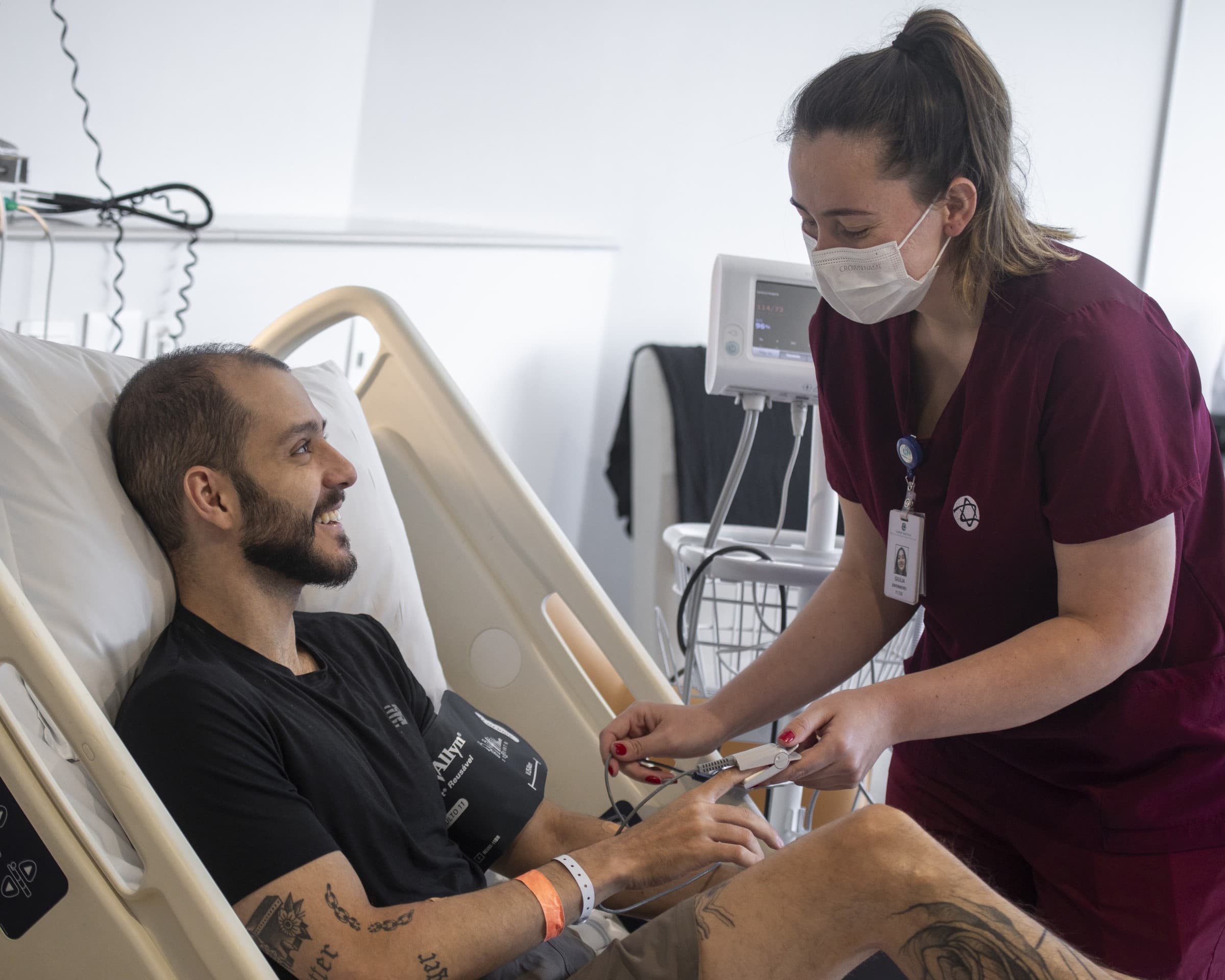
Public and private care
The Einstein Health Model is an integrated system, made up of coordinated activities to provide excellent health care services in both private and public health systems
+1.4 million visits at emergency care units
89.8 thousand surgeries in public and private systems
+19,100 physicians
+18 million tests processed
85 units across Brazil
The presence of Einstein extends across all of Brazil, addressing different healthcare needs
35 public healthcare network units
32 private healthcare network units
14 education units
3 innovation centers
1 research center
Technology and innovation transforming
healthcare in Brazil
Brazil is a country of continental dimensions and complex challenges. Einstein believes that technology is essential to address the country’s healthcare needs, while helping to reduce the impacts of climate change on population health
VIGIAMBSI - Environmental Surveillance and Indigenous Health
It improves Indigenous healthcare in Brazil through a data platform for environmental health monitoring and soil and water analysis in Indigenous territories. The project supports healthcare planning and investigates microbiological contamination, pesticides, and heavy metals
34 Special Indigenous Health Districts
+800,000 Indigenous people
+7,000 villagesVERACIS - Ethnic-Racial Vulnerabilities, Environment, Climate, and Health Impacts
Analyzes how climate change impacts the health of Black and quilombola communities through data collection and cross-analysis, to provide Brazil’s Unified Health System (SUS) with tools to support decision-making. The project combines public health and environmental data, territorial vulnerability mapping, biological sampling, mental health research, environmental sensors and community surveillance
Telemedicine expanding access to specialists
Launched in 2021, TeleAmes provides specialized care via telemedicine in the North and Central-West regions, and, in partnership with the Ministry of Health, connects patients at the nearest healthcare facility to the specialist via video call, all supported by a local primary care physician
12 specialties provided
+425 service points established
+520,000 consultations since 2021< [...]LEISHDETECT - AI for diagnosis of cutaneous leishmaniasis
AI-powered mobile app that analyzes photos of skin lesions taken on the device by comparing them against a bank of images to determine the likelihood of positive diagnosis for cutaneous leishmaniasis, a neglected tropical disease most common in rural areas and riverside communities. The project was developed in partnership with the Amazon Tropical Medicine Foundation, with backing from the Inter-American Development Bank (IDB)
1,160 tra [...]CUTIS-AI - AI Screening for Tropical Skin Diseases
Einstein widened the Leishdetect scope to cover a new project in partnership with the Ministry of Health: an offline application with an AI solution to help diagnose tropical skin diseases across Brazil by analyzing lesion images. The tool supports non-specialist health professionals, enabling early treatment and improving patient outcomes
Diseases assessed: cutaneous leishmaniasis, leprosy, cutaneous tuberculosis, [...]
Working together to
advance public health
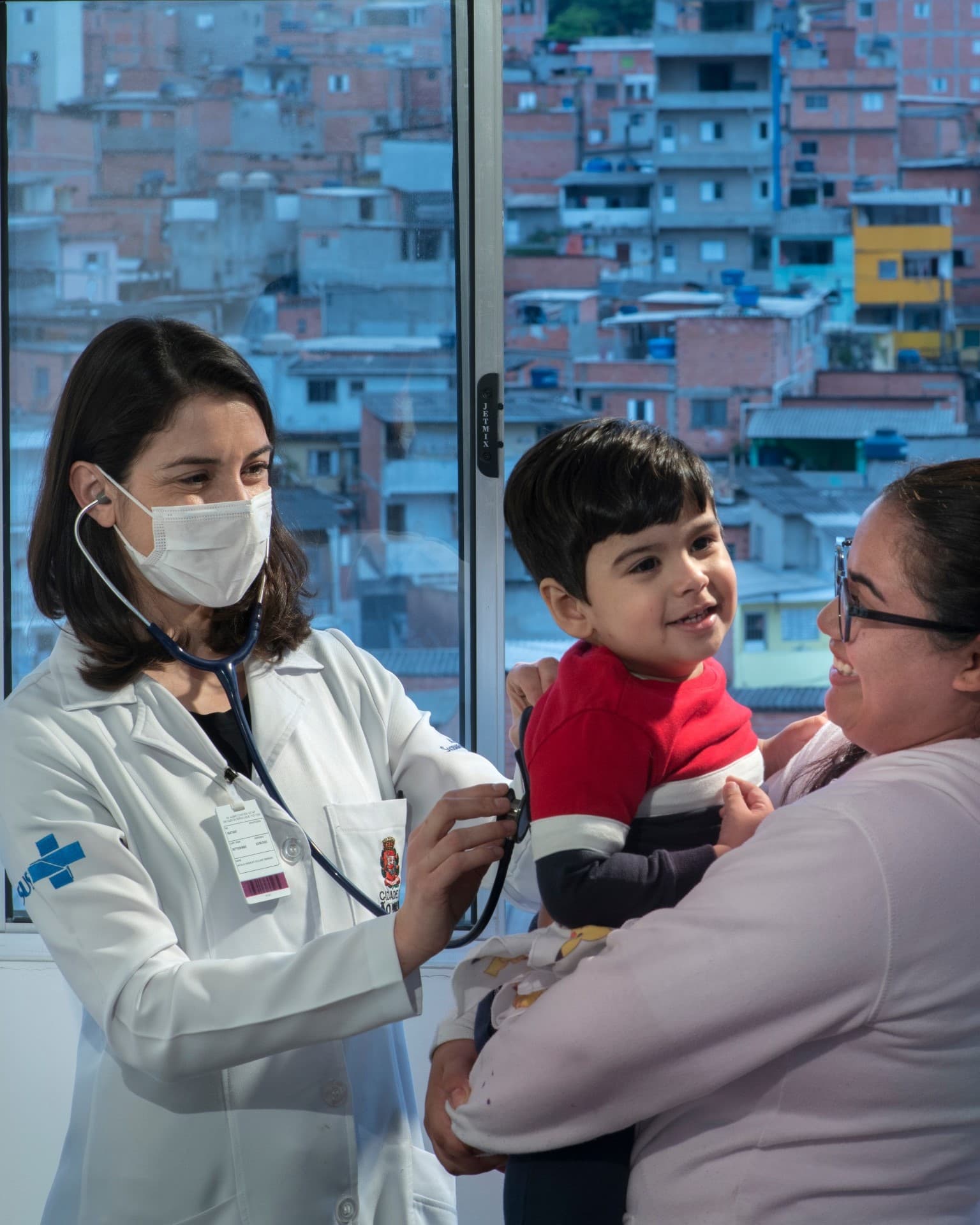
A significant part of Einstein’s work takes place within Brazil’s Unified Health System, known as Sistema Único de Saúde (SUS). This commitment began in 2001, when Einstein first started working within the public
healthcare system
Since then, Einstein has helped strengthen the SUS by managing public healthcare facilities and applying practices focused on quality, safety, operational efficiency and patient experience
Einstein also contributes with the public system through the Institutional Development Support Program (Proadi-SUS), an initiative established in 2009 by the Ministry of Health
Commitment to the future
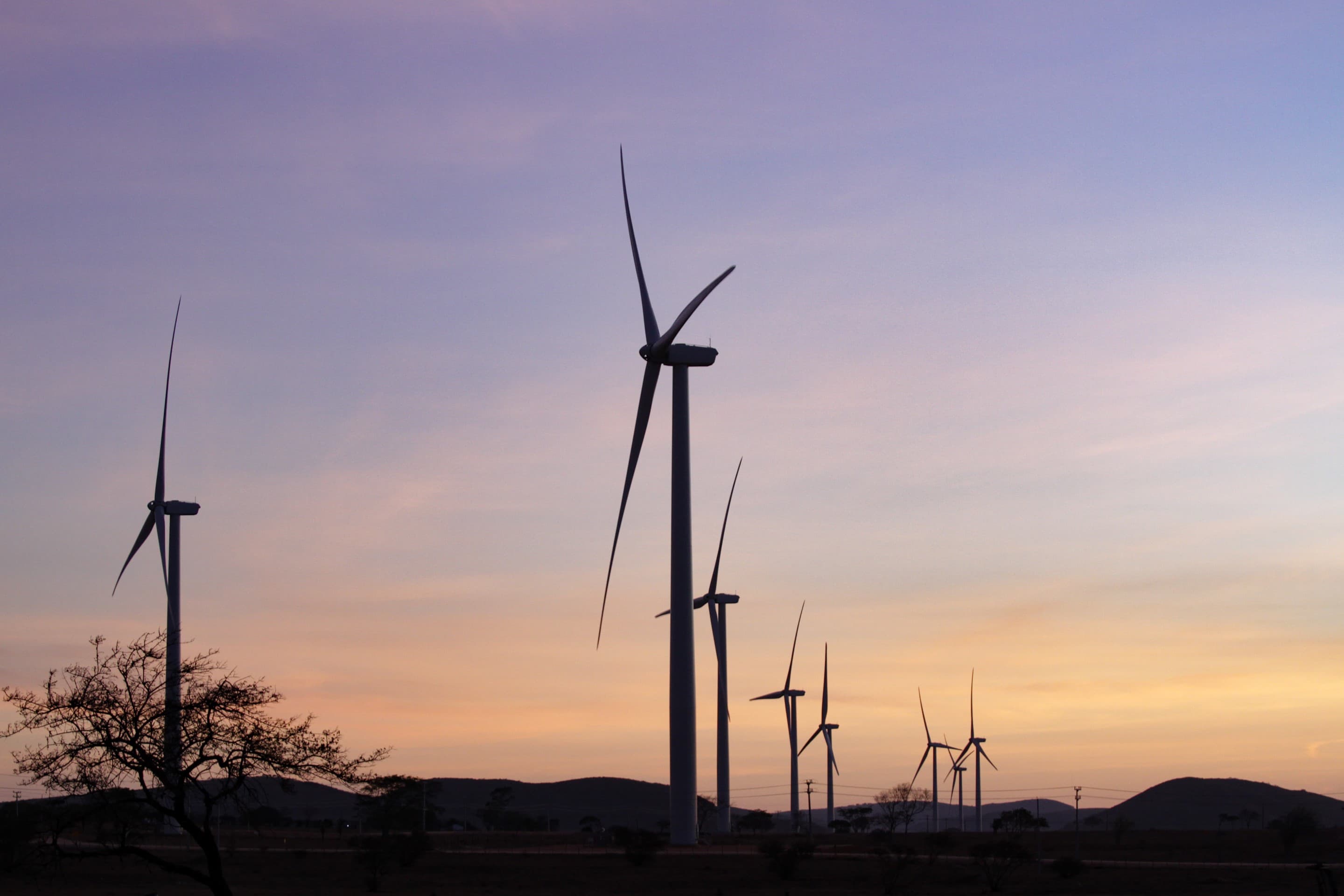
Einstein understands that the healthcare sector needs to address both mitigation and resilience of health systems. For this reason, Einstein began its decarbonization journey more than two decades ago
In 2011, a strategic plan was created, establishing targets and commitments such as joining the UN’s Net Zero initiative to reduce greenhouse gas emissions by 50% by 2028 and achieve carbon neutrality by 2050. In 2023, 74% of the energy consumed by the organization already came from clean sources